Comprehensive Guide to Integrative Therapy for Lung Cancer
Combining standard treatment with integrative therapies to improve quality of life and treatment tolerance
Free cancer support
Challenges in Lung Cancer Treatment
Lung cancer remains the leading cause of cancer-related mortality worldwide. Standard treatment modalities include surgery, radiotherapy, chemotherapy, immunotherapy, and targeted therapy. However, many patients are not suitable candidates for surgery due to age, comorbidities, or tumor location. In such cases, stereotactic body radiotherapy (SBRT) has emerged as a key option, delivering high-dose, precise radiation to the tumor in 1–5 sessions, achieving up to a 90% local control rate ([Beverly Hills Cancer Center, 2024]; [MSKCC, 2025]).
Although SBRT generally has fewer side effects, some patients may still experience cough, fatigue, or radiation pneumonitis. This necessitates a comprehensive supportive care strategy.

Core Concept of Integrative Oncology
Integrative oncology combines standard cancer therapies with evidence-based supportive interventions such as nutritional medicine, exercise, psychosocial care, and complementary therapies. This “whole-person” approach improves treatment tolerance, reduces adverse effects, and enhances quality of life ([Dobos et al., 2021]).
Nutritional Therapy
At diagnosis, many lung cancer patients present with malnutrition or sarcopenia, both of which are associated with poor prognosis.
Key nutritional principles include:
- High-protein, high-calorie diet:5–2 g/kg protein per day, with primary sources from fish, eggs, legumes, and dairy ([Arends et al., 2021]).
- Anti-inflammatory foods: Omega-3 fatty acids, leafy greens, and berries help reduce chronic inflammation.
- Small frequent meals: To alleviate anorexia and gastrointestinal discomfort ([NCI, 2022]).
- Early nutrition support: Enteral or parenteral feeding should be considered if oral intake is inadequate ([Weimann et al., 2021]).

Exercise Therapy
Studies demonstrate that prehabilitation—combining nutrition and exercise before surgery—can significantly shorten hospital stays and reduce complications ([Minnella et al., 2018]).
During and after treatment, regular aerobic and resistance training improves lung function, reduces fatigue, and preserves muscle mass.

Psychosocial Interventions
Psychological stress and anxiety reduce treatment adherence. Evidence-based interventions include:
- Mindfulness meditation and yoga: Reduce anxiety and improve sleep.
- Music therapy and massage: Relieve pain and fatigue ([Greenlee et al., 2017]).
These therapies are safe alongside conventional treatments and enhance quality of life.

Complementary and Natural Therapies
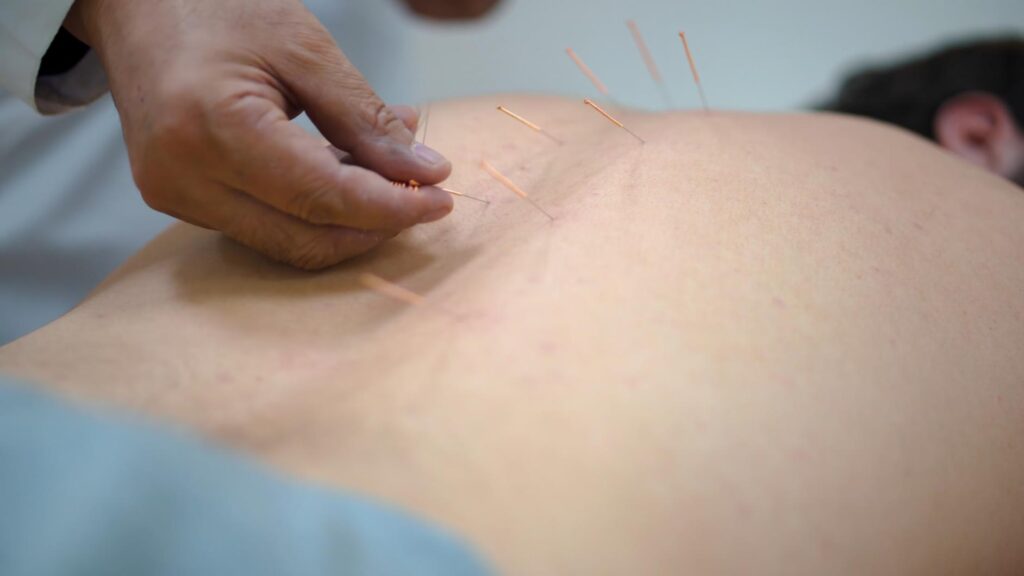
- Acupuncture: Effective for chemotherapy-induced nausea, vomiting, and pain ([Lu et al., 2019]).
- Natural compounds: Curcumin, green tea polyphenols, and other phytochemicals possess antioxidant and potential anticancer properties. However, caution is needed regarding interactions with chemotherapy drugs ([Hsu et al., 2021]).
Patients should always consult physicians or dietitians before initiating natural therapies.
Multidisciplinary Care Model
Leading cancer centers such as Dana-Farber and MSKCC have adopted multidisciplinary approaches, engaging oncologists, dietitians, psychologists, physiotherapists, and integrative medicine specialists in personalized treatment planning ([Deng et al., 2021]).
This model not only optimizes therapeutic outcomes but also holistically addresses patients’ physical and emotional needs.

Conclusion
The future of lung cancer management lies in the synergy between standard therapy and integrative care. SBRT provides effective local control for early-stage or inoperable patients, while nutrition, exercise, psychological support, and complementary therapies enhance treatment tolerance and overall quality of life. This integrative, patient-centered approach is becoming mainstream in oncology practice.

Contact our professional team now
References
- Arends, J., et al. (2021). ESPEN guidelines on nutrition in cancer patients. Clinical Nutrition, 40(5), 2898–2913.
- Beverly Hills Cancer Center. (2024). SBRT radiation for early-stage lung cancer.
- Deng, G., et al. (2021). Integrative oncology practice at academic cancer centers. CA: A Cancer Journal for Clinicians, 71(2), 120–138.
- Dobos, G., et al. (2021). Integrative oncology for supportive cancer care. Nature Reviews Clinical Oncology, 18(9), 577–590.
- Enzinger, P. C., & Mayer, R. J. (2003). Esophageal and lung cancer. New England Journal of Medicine, 349(23), 2241–2252.
- Greenlee, H., et al. (2017). Clinical practice guidelines on integrative therapies. Journal of Clinical Oncology, 35(18), 1962–1981.
- Hsu, C. H., et al. (2021). Natural compounds and cancer therapy. Frontiers in Pharmacology, 12, 665999.
- Lu, W., et al. (2019). Acupuncture for cancer-related symptoms. Cochrane Database of Systematic Reviews.
- Minnella, E. M., et al. (2018). Prehabilitation before surgery. JAMA Surgery, 153(5), 421–429.
- MSKCC. (2025). SBRT to the chest. Memorial Sloan Kettering Cancer Center.
- National Cancer Institute. (2022). Nutrition in cancer care (PDQ®).
- Weimann, A., et al. (2021). ESPEN practical guideline: Clinical nutrition in surgery. Clinical Nutrition, 40(7), 4745–4761.