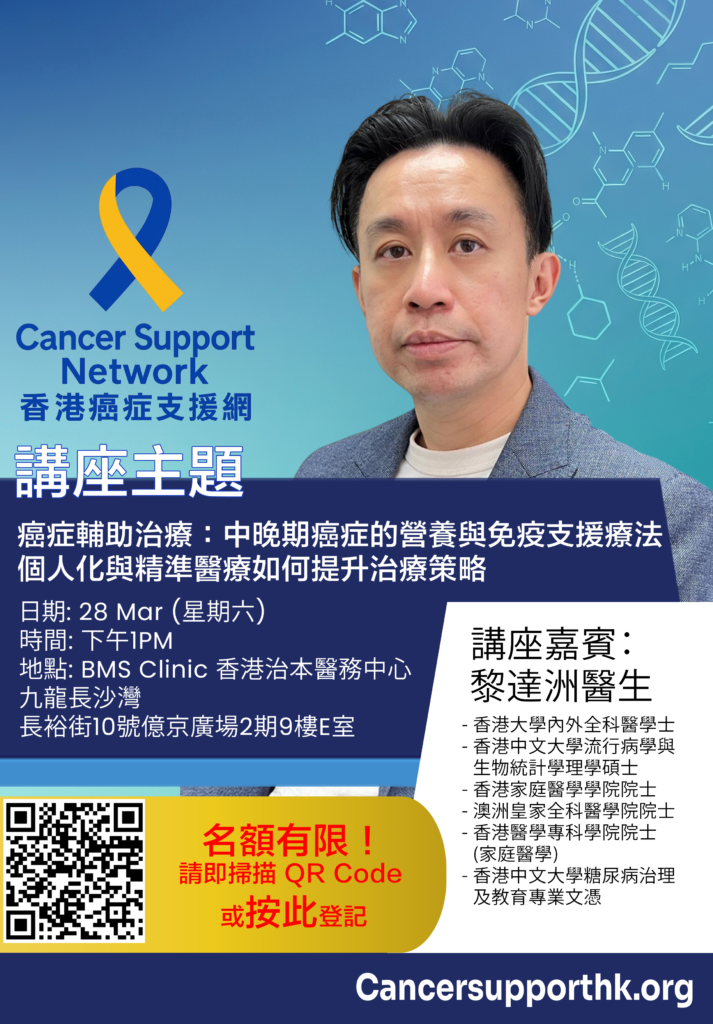
Free cancer support
Pharyngeal cancer (non-nasopharyngeal)
Pharyngeal carcinoma refers to malignant tumors arising from the pharyngeal tissues, primarily encompassing oropharyngeal carcinoma (base of tongue, tonsils, soft palate, pharyngeal walls) and hypopharyngeal carcinoma (pyriform sinus, postcricoid region, posterior pharyngeal wall); nasopharyngeal carcinoma is excluded from this category. These tumors predominantly affect middle-aged and elderly males and are strongly associated with tobacco smoking, chronic heavy alcohol consumption, persistent irritative stimuli, and viral infections. Early-stage disease typically presents with nonspecific symptoms that are easily overlooked, underscoring the critical importance of early screening and comprehensive nursing management to preserve swallowing, voice/respiratory function, and overall quality of life.
Major risk factors include:
- Tobacco smoking and excessive alcohol consumption: Prolonged exposure to tobacco carcinogens and alcohol (synergistic effect) causes chronic mucosal injury and significantly increases incidence risk (multiplicative interaction).
- Chronic irritation: Recurrent pharyngitis, gastroesophageal reflux disease (GERD/laryngopharyngeal reflux), or long-term consumption of very hot/spicy/irritant foods.
- Poor oral and pharyngeal hygiene: Persistent inflammation, ulceration, or premalignant lesions (e.g., leukoplakia, erythroplakia) that promote field cancerization.
- Viral infection: High-risk human papillomavirus (HPV), especially HPV-16, is etiologically linked to a substantial proportion of oropharyngeal carcinomas (particularly tonsillar and base-of-tongue subsites) in non-smokers/non-drinkers.
- Genetic and familial predisposition: Family history of head and neck cancer or inherited syndromes affecting DNA repair increase individual susceptibility.
Early screening in high-risk populations, proactive health management, and multidisciplinary nursing interventions are essential for delaying disease progression and preserving swallowing, speech, airway patency, and daily functional status.
Early-stage pharyngeal carcinoma (oropharyngeal and hypopharyngeal) is typically insidious with nonspecific symptoms. As the tumor progresses, the following manifestations may emerge:
- Globus pharyngeus or throat pain: Persistent sensation of a foreign body or irritation in the throat; odynophagia (pain on swallowing solids/liquids) that worsens with ingestion.
- Dysphagia or painful swallowing: Progressive difficulty or pain when swallowing food, liquids, or saliva; sensation of food sticking in the throat.
- Voice changes: Hoarseness, muffled voice (“hot potato voice” in oropharyngeal tumors), or dysphonia, particularly with lesions near the larynx or involving the recurrent laryngeal nerve.
- Cervical lymphadenopathy: Painless, firm, enlarged cervical lymph nodes (levels II–IV most common); frequently the initial presenting sign and indicative of regional metastasis (especially in HPV-positive oropharyngeal SCC).
- Cough or hemoptysis: Chronic irritative cough or blood-streaked sputum when the tumor involves the hypopharynx or invades the airway/larynx.
- Constitutional symptoms: Unintentional weight loss, fatigue, anorexia, and cachexia suggestive of advanced disease or systemic effects.
Some patients may experience nocturnal cough, xerostomia, referred otalgia, or recurrent pharyngitis, necessitating prompt clinical evaluation and nursing intervention.
Diagnosis of pharyngeal carcinoma (oropharyngeal and hypopharyngeal) employs a multimodal approach aimed at early detection, accurate subsite classification, staging, and development of individualized nursing care plans:
- Clinical examination
- Flexible or rigid pharyngolaryngoscopy: Direct visualization of tumor location, size, surface characteristics (exophytic, ulcerative, or infiltrative), vocal cord mobility, and airway patency.
- Imaging studies
- Contrast-enhanced CT neck and MRI (with gadolinium): Primary modalities for evaluating tumor volume, depth of invasion, perineural spread, cartilage involvement, and cervical lymph node metastasis (levels II–VI).
- 18F-FDG PET-CT: Essential for detecting occult distant metastases, synchronous primaries, nodal disease outside conventional fields, and restaging in advanced/recurrent cases.
- Histopathological examination
- Endoscopic biopsy (under local or general anesthesia): Gold standard for definitive diagnosis, confirming squamous cell carcinoma (conventional, HPV-related, or variant histologies), WHO/ISUP grading, depth of invasion, and lymphovascular/perineural invasion.
- Tumor biomarkers and molecular testing
- Serum markers (limited role; SCC-Ag, CYFRA 21-1 for surveillance).
- Mandatory HPV testing (p16 immunohistochemistry ± high-risk HPV DNA PCR/RNA ISH) in oropharyngeal carcinoma for prognostic stratification (HPV-positive tumors have significantly better outcomes) and de-intensification eligibility.
- Next-generation sequencing for actionable mutations (e.g., PIK3CA, EGFR) and PD-L1 expression (CPS/TPS) to guide targeted therapy and immune checkpoint inhibitor selection, enabling truly personalized long-term nursing and surveillance strategies, especially in high-risk or recurrent patients.
Nursing and supportive care strategies for pharyngeal carcinoma (oropharyngeal and hypopharyngeal) can be divided into conventional modalities and personalized supportive approaches, aimed at delaying disease progression, preserving swallowing and voice function, and improving overall quality of life:
Surgical Management
- Indicated for early-stage and selected locally advanced tumors; procedures include transoral robotic/endoscopic resection, partial pharyngectomy, or total laryngopharyngectomy with neck dissection as required.
- Postoperative care includes nutritional support (enteral/parenteral feeding if needed), wound/tracheostoma care, intensive swallowing and speech–language rehabilitation, and psychological counseling to facilitate recovery and maintain airway, swallowing, and communication function.
Radiation Therapy and Chemotherapy
- Radiotherapy (definitive organ-preservation chemoradiotherapy or adjuvant) as primary or postoperative treatment to reduce locoregional recurrence.
- Chemotherapy (concurrent high-dose cisplatin or induction regimens) for high-risk, locally advanced, or metastatic disease; combined with aggressive hydration, antiemetics, mucositis management, and nutritional optimization to minimize acute/late toxicity (dysphagia, xerostomia, fibrosis).
Targeted and Immunotherapy
- Personalized regimens guided by molecular profiling (HPV status, PD-L1 expression, EGFR); first-line immune checkpoint inhibitors (pembrolizumab ± chemotherapy) in recurrent/metastatic disease, especially HPV-positive cases.
- Integrated with immune enhancement, nutritional support, and functional rehabilitation to improve host resistance and quality of life.
Nutritional and Intravenous Supportive Therapy
- High-dose intravenous vitamin C, glutathione, amino acids, and trace elements to support energy metabolism, antioxidant defense, immune function, and mucosal healing.
- Dietary recommendations: soft, moist, high-protein, nutrient-dense foods that are easy to swallow; strict avoidance of irritant, rough, spicy, or extremely hot/cold items to protect pharyngeal mucosa and reduce aspiration risk.
Individualized Monitoring and Long-term Care
- Regular imaging (CT/MRI/PET-CT), fiberoptic endoscopy, serum markers, and molecular surveillance to detect recurrence early.
- Patient-specific care plans with ongoing adjustment of nutrition, lifestyle, swallowing/voice therapy, and psychosocial support.
- Specialized nursing protocols for patients with impaired swallowing/speech, chronic aspiration risk, immunosuppression, or high recurrence risk to optimize long-term survivorship and quality of life.