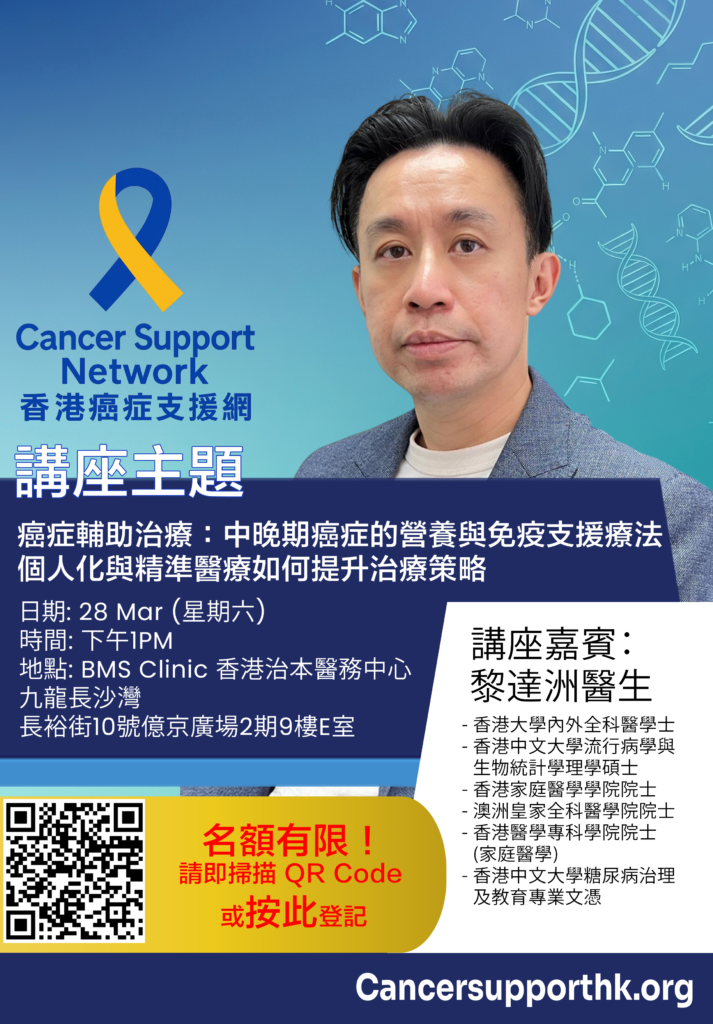
Free cancer support
testicular cancer
Testicular cancer is a malignant tumor originating from testicular germ cells. Although its overall incidence is relatively low, it is one of the most common tumors in young men (ages 15–35). The main types include seminomas and non-seminomatous germ cell tumors (e.g., teratoma, embryonal carcinoma, choriocarcinoma). Testicular cancer is characterized by rapid progression and high metastatic potential, but prognosis is favorable with early treatment. Major risk factors include:
• Cryptorchidism – undescended testes significantly increase risk.
• Familial and genetic factors – a history of testicular cancer in first-degree relatives increases susceptibility.
• Testicular developmental abnormalities or congenital disorders – such as testicular dysgenesis or prior testicular tumors.
• Environmental and lifestyle factors – including exposure to certain chemicals or prolonged hormone exposure.
Early detection and nursing interventions are critical for slowing disease progression and preserving reproductive and endocrine function.
Early symptoms of testicular cancer are often non-specific. As the tumor enlarges or metastasizes, the following may occur:
• Scrotal mass – usually painless, firm in consistency, sometimes associated with testicular enlargement.
• Scrotal or inguinal discomfort – may present as mild aching or a sense of heaviness.
• Changes in testicular shape – including asymmetry or localized swelling.
• Gynecomastia or nipple discomfort – rare, caused by hormonally active tumors.
Metastatic symptoms
• Lymphadenopathy – involving inguinal, abdominal, or thoracic lymph nodes.
• Respiratory symptoms – secondary to pulmonary metastases.
• Bone pain or neurological symptoms – due to skeletal metastases or spinal cord compression.
Early self-examination of the testes and prompt detection of abnormal masses are critical for timely diagnosis and management.
Diagnostic approaches for testicular cancer are diverse, aiming for early detection and development of personalized care plans:
• Physical examination – assessment of testicular size, consistency, tenderness, and evaluation for lymphadenopathy.
• Imaging studies
– Ultrasound: the first-line modality, providing clear visualization of tumor location, size, and internal structure.
– CT/MRI: used to assess lymph node metastases in the abdomen, thorax, and pelvis.
– PET-CT: indicated for high-risk patients or suspected metastasis.
• Serum tumor markers – levels of AFP, β-hCG, and LDH assist in diagnosis, subtype classification, and treatment monitoring.
• Pathological examination – analysis of surgical or biopsy specimens to determine tumor type and differentiation grade.
Care and supportive strategies for testicular cancer can be divided into traditional methods and personalized supportive strategies, aiming to slow disease progression, preserve reproductive and endocrine function, and improve quality of life:
• Surgery
– Radical orchiectomy is the first-line approach, with lymph node dissection when necessary.
– Postoperative care – including wound management, rehabilitation training, and psychological counseling – helps restore physical function and mental well-being.
• Chemotherapy and Radiation Care
– Chemotherapy is indicated for non-seminomatous tumors, advanced disease, or high-risk recurrence, combined with nutritional support and fluid management to minimize side effects.
– Radiation therapy may be used for lymph node metastases or as adjuvant control in selected non-seminomatous tumors.
• Targeted and Immune Support
– Personalized care plans are developed based on tumor subtype and molecular testing, targeting specific signaling pathways.
– Combined with immune-enhancing therapies, nutritional support, and psychological counseling, these strategies improve immunity and overall health.
• Nutritional and Supportive Therapies
– Intravenous supplementation with high-dose vitamin C, glutathione, amino acids, and trace elements may enhance energy, support immune function, and aid recovery.
– Dietary recommendations include high-protein and antioxidant-rich foods to maintain muscle mass and overall health.
• Personalized Monitoring and Care
– Regular monitoring of serum tumor markers, imaging studies, and physiological function to track recurrence or metastasis risk.
– Development of individualized care plans to adjust nutrition, lifestyle, and psychological support.
– Specialized care programs for patients with high recurrence risk or impaired reproductive function help maintain long-term quality of life.