
Complementary Cancer Therapies

癌症辅助療法

Uncategorized, Complementary Cancer Therapies

New Direction in Cancer Treatment: Personalised Cancer Vaccines

In modern oncology, treatment is no longer limited to surgery, chemotherapy, or radiotherapy — it has entered a new era of “personalised precision therapy” era. Every patient’s cancer has unique genetic and immunological characteristics, requiring fully customised treatment strategies.
Currently, two major emerging clinical approaches — cancer vaccines and mRNA cancer therapy — target the two core mechanisms of immune system activation and tumour gene control, respectively.

Uncategorized, Complementary Cancer Therapies

New Directions in Personalized Cancer Treatment: Cancer Vaccines and mRNA Cancer Therapy (Precise RNA Gene Signal Blockade)

In modern oncology, treatment is no longer limited to surgery, chemotherapy, or radiotherapy — it has entered a new era of personalized precision therapy. Every patient’s cancer has unique genetic and immunological characteristics, requiring fully customized treatment strategies. Currently, two major emerging approaches — cancer vaccines and mRNA cancer therapy — target the two core mechanisms of immune system activation and tumor gene control, respectively.

Uncategorized, Complementary Cancer Therapies

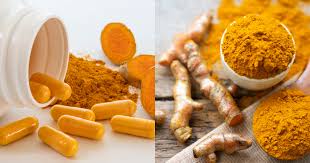
Is Curcumin the #1 Anti-Cancer Agent?

Research shows that curcumin can:Reduce tumor growth and inflammatory signalling、Promote natural apoptosis of cancer cells、Inhibit tumor angiogenesis (new blood vessel formation)、Slow cancer cell proliferation、Increase sensitivity to chemotherapy and radiotherapy、Reduce the development of drug resistance.

Uncategorized, Complementary Cancer Therapies

New Hope for Cancer Treatment in Hong Kong: Cancer Vaccines Targeting Precision RNA Signal Blockade

For cancer patients in Hong Kong, conventional treatments such as chemotherapy, radiotherapy, and targeted therapies may help slow disease progression, but they often come with severe side effects—hair loss, nausea, extreme fatigue, weakened immunity, and difficulty maintaining normal social and daily activities. For many patients, the deepest desire is not only “how much longer can I live,” but “how can I live with dignity.”

Uncategorized, Complementary Cancer Therapies

New Hope in Cancer Care in Hong Kong: Cancer Vaccines and Precision RNA Signal Blockade

For many cancer patients in Hong Kong, conventional approaches such as chemotherapy, radiotherapy, and targeted medications may help slow disease progression, but they often bring significant side effects—hair loss, nausea, profound fatigue, reduced immune resilience, and difficulty maintaining normal social and daily activities. For many individuals, the deepest wish is not only “how much longer can I live,” but “how can I continue living with dignity.”

Uncategorized, Complementary Cancer Therapies

Amino Acid Therapy: A New Opportunity in Cancer Care

Cancer has long been the leading cause of death in Hong Kong. According to the Hong Kong Cancer Registry, cancer has consistently ranked among the top ten causes of death in the city for many years. Although surgery, chemotherapy, radiotherapy, targeted therapy, and immunotherapy have made significant progress, many patients still face substantial challenges: severe side effects, tumor recurrence and metastasis, and even drug resistance. These issues leave many patients feeling hopeless despite receiving standard treatments.

Uncategorized, Complementary Cancer Therapies

Walking the Cancer Journey: The Truth About Glutathione

In Hong Kong, cancer has long been the leading cause of death. According to the Hong Kong Cancer Registry, approximately 30,000 new cases are diagnosed each year, and the number of deaths continues to rise. For patients, fighting cancer is not just about “eliminating tumors”; it is a long-term battle. On one hand, patients must endure the side effects of treatment; on the other, they strive to maintain daily life and quality of life.

Uncategorized, Complementary Cancer Therapies

Peptide Therapy: Potential and Challenges for Cancer Patients

Cancer patients facing treatment decisions often hope for options beyond surgery, chemotherapy, radiotherapy, and targeted therapies that could reduce recurrence risk, improve quality of life, and support immune function. Peptide therapy has emerged as an adjunctive approach receiving significant attention in recent international research and clinical studies. This article provides a systematic overview of peptide therapy from a cancer patient’s perspective, covering its mechanisms of action, scientific evidence, practical benefits, potential risks, and considerations for adoption in Hong Kong, aiming to offer clear and reliable information for patients and caregivers exploring treatment options.

Uncategorized, Complementary Cancer Therapies

Alpha-Lipoic Acid (ALA) and Cancer Care

Alpha-Lipoic Acid (ALA) is a sulfur-containing compound with both water-soluble and fat-soluble properties, allowing it to act in various cellular environments. As a key coenzyme in mitochondrial energy metabolism and a potent antioxidant, ALA has attracted attention in the cancer field. Many patients in Hong Kong, besides undergoing conventional cancer treatments (such as surgery, radiotherapy, chemotherapy, and immunotherapy), also seek nutritional supplementation and functional medicine interventions to alleviate side effects, enhance immunity, and improve quality of life. This article explores ALA’s mechanisms, research evidence, and applications from a patient-centered perspective.

Uncategorized, Complementary Cancer Therapies

Albumin Infusion: Patients’ Perspectives and the Reality

In Hong Kong’s healthcare environment, more and more patients hear doctors suggest “albumin supplementation.” But what exactly is albumin, and why do some patients need intravenous infusion? Is it driven by medical necessity or routine practice? How can patients and their families make informed decisions when information is limited? This article explores the clinical role, risks, controversies, and patient autonomy regarding albumin infusion from a patient-centered perspective in Hong Kong.

Scroll to Top
0

Subtotal