
Uncategorized

Uncategorized, High-dose vitamin C therapy (IVC)

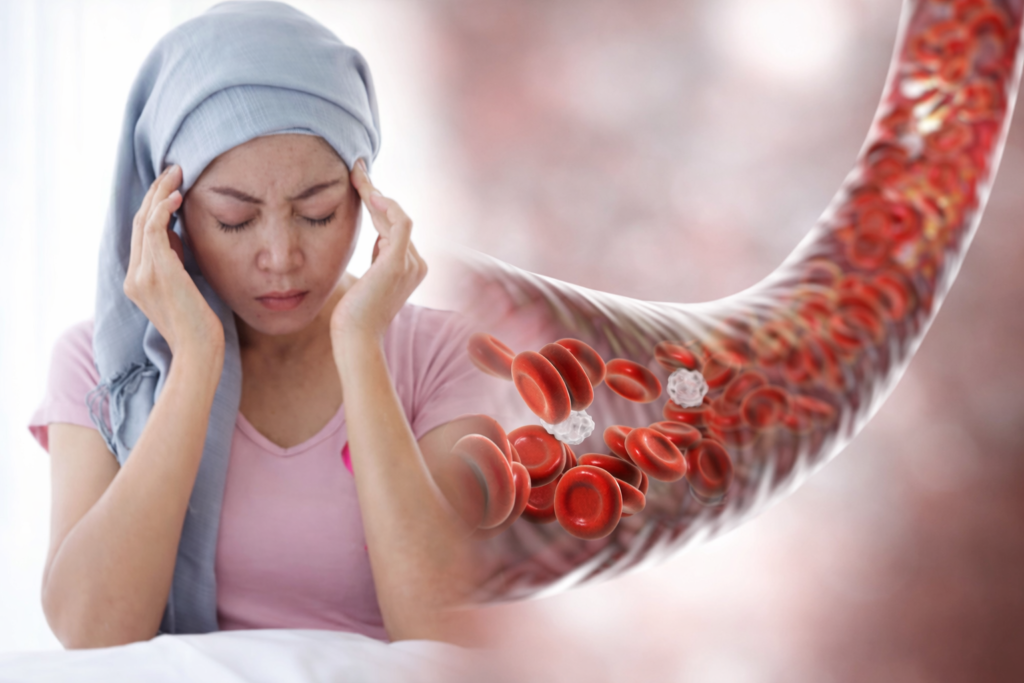
Cancer treatment outcomes often depend on an overlooked biomarker — albumin.

During cancer treatment, many patients may receive the same therapy yet experience markedly different responses and levels of tolerance.
Research suggests that these differences are not solely related to the tumor itself, but are also closely linked to the patient’s overall physiological condition. One key indicator is albumin (Human Serum Albumin, HSA).

Multiple studies have shown that low albumin levels are significantly associated with higher rates of treatment interruption, increased risk of complications, and poorer overall prognosis in cancer patients (McMillan, 2001; Gupta & Lis, 2010).

Uncategorized, High-dose vitamin C therapy (IVC)

Why Are More and More Breast Cancer Patients Choosing High-Dose Vitamin C?

For many breast cancer patients, fighting cancer is not simply about completing a treatment protocol. It is a long-term battle that consumes both physical strength and emotional resilience. Even after surgery, chemotherapy, radiotherapy, targeted therapy, or hormonal therapy, many patients continue to struggle with fatigue, weakened immunity, recurrent infections, and a noticeable decline in quality of life.

Uncategorized, NK cells

NK Cells in Triple-Negative Breast Cancer: Not the Enemy, but a Critical Immune Ally That Needs to Be Reawakened

Triple-negative breast cancer (TNBC) is widely recognized as one of the most aggressive subtypes of breast cancer. Because tumor cells lack estrogen receptors, progesterone receptors, and HER2, many standard targeted therapies are ineffective. As a result, treatment often relies on chemotherapy and selected immunotherapies. Despite aggressive care, some patients experience early relapse, metastasis, or gradual loss of treatment response.

Uncategorized, NK cells

Is Triple-Negative Breast Cancer Really That Frightening? Should Cell-Based Immunotherapy Be Considered? What the Latest Science Says About NK and CIK Cells

Triple-negative breast cancer (TNBC) is defined by the absence of estrogen receptors, progesterone receptors, and HER2 expression, accounting for approximately 15–20% of all breast cancers. Compared with other subtypes, TNBC often affects younger patients, shows poorer pathological differentiation, and is characterized by aggressive behavior, with higher rates of recurrence, metastasis, and mortality.

Uncategorized, NK cells

Recurrent Triple-Negative Breast Cancer: How Should Patients Respond? Understanding the Role of NK Cell Immunotherapy

Triple-negative breast cancer (TNBC) is often described as one of the most difficult breast cancer subtypes to treat. It lacks estrogen receptors, progesterone receptors, and HER2 expression, leaving patients with fewer targeted treatment options. TNBC is known for its aggressive biological behavior, rapid disease progression, and higher risks of early recurrence and distant metastasis.

Uncategorized, NK cells

NK Cell Therapy in Triple-Negative Breast Cancer: What Patients Need to Know About Effectiveness, Challenges, and Future Promise

Triple-negative breast cancer (TNBC) is one of the most challenging subtypes of breast cancer. Because tumor cells lack estrogen receptors, progesterone receptors, and HER2 expression, many standard targeted therapies are ineffective. As a result, treatment strategies often rely on chemotherapy and selected immunotherapies, yet recurrence, metastasis, and treatment resistance remain common concerns.

Scroll to Top