
Managing Side Effects

副作用虑理

Uncategorized, Managing Side Effects

Rebuilding Rhythm: Integrated Strategies for Postoperative Bowel Dysfunction in Colorectal Cancer Patients

After rectum-preserving surgeries—such as low anterior resection (LAR)—60%–90% of patients experience Low Anterior Resection Syndrome (LARS). Symptoms include increased bowel frequency, urgency, incomplete evacuation (tenesmus), difficulty with stool consistency, and even incontinence, all of which severely affect quality of life and social functioning (Sheffield Teaching Hospital; JADPRO; NICE).

Uncategorized, Managing Side Effects

Overcoming Bowel Dysfunction After Rectal Surgery

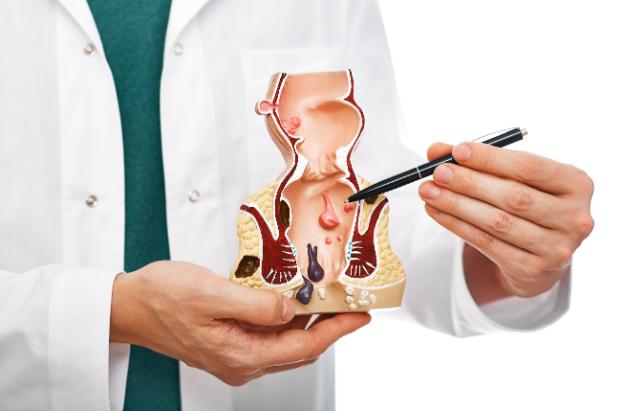
After undergoing low anterior resection (LAR) or other sphincter-preserving rectal surgeries, 60%–90% of patientsexperience bowel dysfunction. Symptoms may include frequent urgency, incomplete evacuation (tenesmus), incontinence, and increased stool frequency. Collectively, these issues are known as Low Anterior Resection Syndrome (LARS).
Such symptoms significantly affect quality of life, mood, and daily routines, and therefore require careful attention and active management.

Uncategorized, Managing Side Effects

Gastrointestinal Care During Cancer Treatment: From Nutrition to Gut Health

In Hong Kong, many cancer patients undergoing chemotherapy or radiotherapy face treatment courses that last for several months. While chemotherapy is effective in killing cancer cells, it also brings a series of gastrointestinal side effects, including nausea, vomiting, diarrhea, stomach pain, bloating, and constipation (National Cancer Institute, 2022). Malnutrition can lead to treatment interruption or increase the risk of infection. Therefore, maintaining gut health and nutritional status is critical to whether patients can successfully complete their treatment (Arends et al., 2021).

Uncategorized, Managing Side Effects

Chemotherapy-Induced Peripheral Neuropathy (CIPN): A Practical Management Guide

Chemotherapy-induced peripheral neuropathy (CIPN) is a common and persistent side effect that affects the quality of life and functional performance of long-term cancer survivors. About 30–40% of patients receiving chemotherapyexperience ongoing neurological symptoms such as numbness, tingling, and sensory abnormalities. These symptoms can impair daily activities, balance, and mobility, and in severe cases force treatment discontinuation (Wikipedia).

Uncategorized, Managing Side Effects

Chemotherapy-Induced Oral Ulcers and Sore Throat: A Self-Care Guide for Hong Kong Patients

For cancer patients in Hong Kong, radiotherapy and chemotherapy are powerful weapons against cancer. However, their side effects often interfere with daily life, one of the most common being oral ulcers (mouth sores) and sore throat. Since oral mucosa consists of rapidly dividing epithelial cells, it is highly susceptible to chemo- and radiotoxic injury (Sonis, 2004). These symptoms not only make eating difficult but can also cause malnutrition, weight loss, and fatigue(Elting et al., 2008). Therefore, learning how to prevent and manage oral ulcers is essential for completing treatment smoothly.

Uncategorized, Managing Side Effects

Chemotherapy-Induced Nausea and Vomiting (CINV): A Comprehensive Management Guide

Chemotherapy-induced nausea and vomiting (CINV) is one of the most feared side effects among cancer patients. It not only disrupts daily life and diet but can also undermine the will to fight cancer, potentially reducing treatment adherence and outcomes. Clinical data indicate that the severity and type of CINV depend on the emetogenic potential of different chemotherapy regimens, categorized as high, moderate, low, or minimal risk, each requiring distinct preventive strategies and drug combinations (NCCN, Wikipedia).

Uncategorized, Managing Side Effects

Practical Guide to Managing Chemo Brain

“Chemo Brain” (also known as Chemo Fog) refers to cognitive impairment commonly experienced after cancer treatment. These cognitive difficulties are not only caused by chemotherapy drugs, but may also result from radiotherapy, hormone therapy, emotional stress (anxiety, depression), fatigue, and aging. The cancer itself can also affect cognitive function. It is estimated that about 20%–30% of cancer survivors experience varying degrees of neurocognitive impairment. Symptoms may persist from weeks to years, and in some cases even permanently, posing potential challenges to emotional health, relationships, work, and daily living /Wikipedia.

Uncategorized, Managing Side Effects

Rapid Relief: Managing Chemo- and Radiotherapy Side Effects to Regain Energy and Quality of Life

Cancer-related fatigue (CRF) is fundamentally different from ordinary tiredness: it is persistent, severely disruptive to daily function, and cannot be completely relieved by sleep. It may last long-term. Evidence shows that exercise is the cornerstone of CRF management—walking, yoga, aerobic and resistance training are all effective. Particularly after active treatment, moderate exercise significantly boosts energy and quality of life (NCCN; The ASCO Post; Oncology Nursing Society). In addition, cognitive behavioral therapy (CBT) and mindfulness-based interventions are recommended as part of supportive care (The ASCO Post).

Uncategorized, Managing Side Effects

Practical Nursing Guide: Proper Management of Chemotherapy/Targeted Therapy–Induced Hand–Foot Syndrome

Hand–Foot Syndrome (HFS, also called Palmar–Plantar Erythrodysesthesia, PPE) is a type of cutaneous toxicity caused by chemotherapy or targeted therapy, commonly affecting the palms and soles. Symptoms include redness, swelling, tingling, burning sensation, and in severe cases blisters or ulcers, which can significantly impair daily life and mobility.

Scroll to Top
0

Subtotal