
Uncategorized

Uncategorized, Managing Side Effects

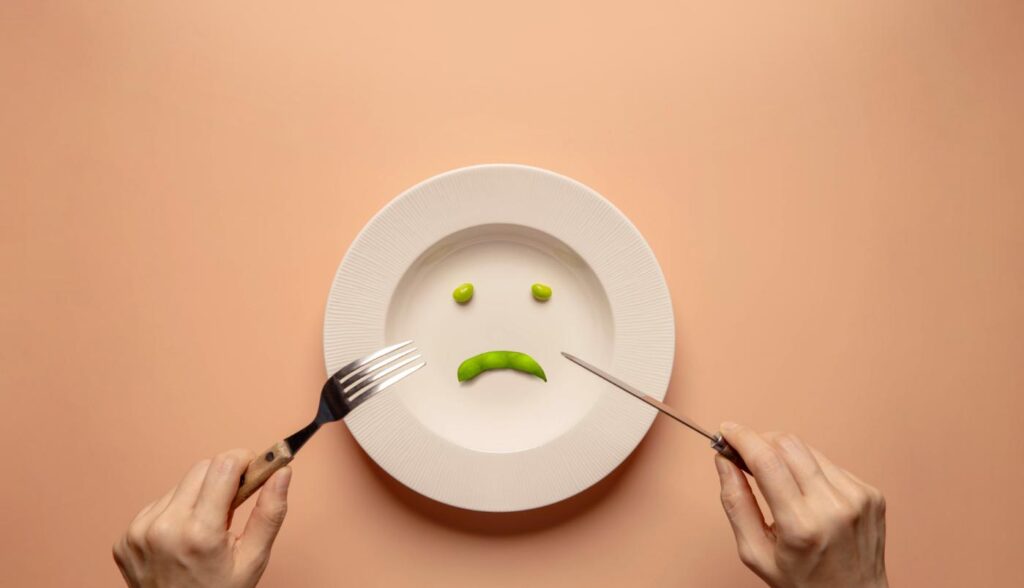
When Taste Becomes Strange: Managing Taste Changes After Cancer Treatment

Cancer treatments—particularly chemotherapy drugs such as docetaxel, carboplatin, anthracycline, paclitaxel, or vinorelbine, as well as head and neck radiotherapy—cause taste alterations in about 86% of patients. These changes may include a metallic taste, bitterness, diminished taste sensitivity, or even complete loss of taste. Symptoms can last from several weeks to months (SpringerLink).

Uncategorized, Managing Side Effects

Side Effects and Management Strategies of EGFR Targeted Therapy

EGFR-targeted therapies (including EGFR-TKIs and EGFR antibodies) have significantly prolonged survival in various solid tumors such as lung cancer, head and neck cancer, and colorectal cancer. Their efficacy is well established. However, side effects—particularly cutaneous toxicities—pose a major threat to patients’ quality of life, sometimes forcing dose reductions or even treatment discontinuation.
This article has been revised from the perspective of Hong Kong patients, emphasizing “prevention first, response second”, and provides practical answers to common patient concerns and management strategies.

Uncategorized, Cancer Recurrence Prevention

Post-Treatment Annual Follow-Up Essentials: A Must-Know Guide for Cancer Survivors

Many patients believe they can fully relax after completing cancer treatment. In reality, regular follow-ups are essential to detect recurrence or metastasis at an early stage. According to Hong Kong medical guidelines, survivors should undergo follow-up assessments every 4–6 months or annually, depending on individual circumstances and doctor recommendations.

Uncategorized, Cancer Recurrence Prevention

Living Cancer-Free: The “Mix of Six”

Cancer remains one of the leading causes of death worldwide, and new cases in Hong Kong continue to rise every year. Scientific research shows that around 85% of cancers are linked to lifestyle and environmental factors, while only 5–10% are caused by inherited genes. This means that by changing our lifestyle, we can significantly reduce both cancer risk and recurrence.

The MD Anderson Cancer Center in the U.S. introduced the “Mix of Six” lifestyle framework, highlighting six essential principles for cancer prevention and survivorship.

Uncategorized, Cancer Recurrence Prevention

Stress and Cancer

In a fast-paced city like Hong Kong, stress is part of daily life. Work demands, family responsibilities, financial burdens, and the anxiety of illness itself can all take a toll on the body. Short-term stress may only cause mild effects such as fatigue or a cold, but chronic stress can suppress the immune system and significantly increase the risk of cancer recurrence and metastasis.

Uncategorized, Cancer Recurrence Prevention

Lifestyle Environment and Cancer Genes

Research shows that only about 5–10% of cancers are caused by inherited genes, while more than 85% are linked to lifestyle and environmental factors. Dietary habits, lack of exercise, obesity, environmental toxins, stress, and poor sleep can all influence epigenetic switches—turning cancer-promoting or cancer-suppressing genes on or off.

Uncategorized, Cancer Recurrence Prevention

Alcohol and Cancer Risk

Research shows that alcohol consumption is strongly associated with several types of cancer, including oral, throat, esophageal, liver, breast, and colorectal cancers. Other cancers—such as pancreatic, ovarian, prostate, stomach, uterine, and bladder cancers—may also be linked to drinking habits.

Scroll to Top
0

Subtotal