
Uncategorized

Uncategorized, Radiation Therapy

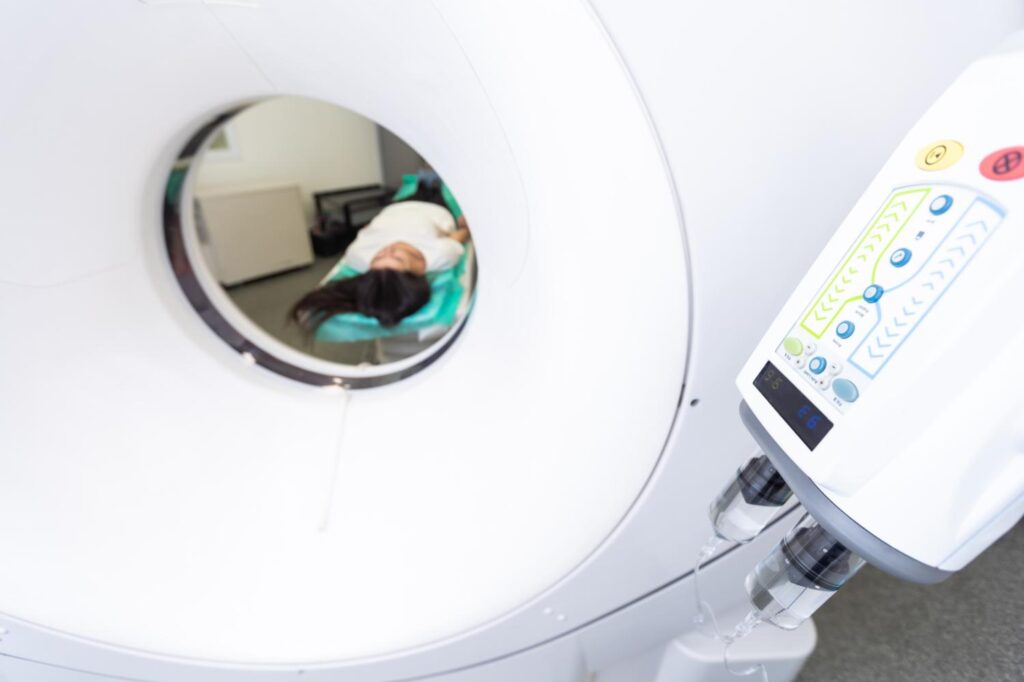
New Horizons in Bone Metastasis Treatment: Integrating Prophylactic Radiotherapy with “Cold-to-Hot Tumor” Strategies

Bone metastasis is a frequent complication in various cancers, particularly breast, prostate, and lung cancers. Statistics indicate that over 70% of advanced breast and prostate cancer patients will develop bone metastases (Ferreira et al., 2022). These metastases can cause severe bone pain, pathological fractures, spinal cord compression, and hypercalcemia. Such skeletal-related events (SREs) not only lead to disability but also significantly increase healthcare burden.


Uncategorized, Radiation Therapy

Comprehensive Integrative Strategies for Liver Metastasis: Mechanisms, Biological Features, and Emerging Clinical Treatment Models

The liver is one of the most common organs for tumor metastasis. Due to its vascular anatomy (dual blood supply), malignant tumor cells can easily disseminate to the liver via the portal vein or hepatic artery. Epidemiological data show that up to 50% of colorectal cancer patients, 20–30% of breast cancer patients, and 30–40% of lung cancer patients will develop liver metastases during the course of their disease (Tsilimigras et al., 2021).

Uncategorized, Radiation Therapy

Comprehensive Guide to Integrative Therapy for Hepatocellular Carcinoma

Hepatocellular carcinoma (HCC) accounts for 70–90% of primary liver cancers worldwide, with more than 900,000 new cases diagnosed annually. It is the third leading cause of cancer-related death globally (Ruiz-Margáin et al., 2021). Most patients also present with cirrhosis or chronic hepatitis, complicating treatment strategies. Even with surgery or standard therapies, the five-year survival rate remains low. Patients often experience malnutrition, reduced physical capacity, and psychological distress.

Uncategorized, Radiation Therapy

Comprehensive Guide to Integrative Therapy for Lung Cancer

Lung cancer remains the leading cause of cancer-related mortality worldwide. Standard treatment modalities include surgery, radiotherapy, chemotherapy, immunotherapy, and targeted therapy. However, many patients are not suitable candidates for surgery due to age, comorbidities, or tumor location. In such cases, stereotactic body radiotherapy (SBRT) has emerged as a key option, delivering high-dose, precise radiation to the tumor in 1–5 sessions, achieving up to a 90% local control rate ([Beverly Hills Cancer Center, 2024]; [MSKCC, 2025]).

Uncategorized, Beginner's Guide

Entering Immunotherapy: A Complete Guide for Hong Kong Patients

We have entered a new era of cancer treatment: immunotherapy. This approach harnesses the body’s own immune cells to identify and fight cancer, representing a major step forward beyond surgery, chemotherapy, radiotherapy, and targeted therapy. This guide explains the science behind immunotherapy, its benefits, limitations, and practical advice for Hong Kong patients considering or undergoing treatment.

Uncategorized, Beginner's Guide

The Power of Exercise in Cancer Treatment

Cancer treatment brings not only physical but also emotional and lifestyle challenges. Many patients believe they should “rest more” during treatment, but modern science proves the opposite: appropriate, structured exercise enhances treatment effectiveness, reduces side effects, and improves survival rates (Courneya & Friedenreich, 2011). For Hong Kong patients, exercise is not an optional lifestyle choice—it is a critical therapeutic strategy on par with medication.

Uncategorized, Beginner's Guide

15 Things Cancer Patients Wish Loved Ones Knew

In Hong Kong, tens of thousands of new cancer cases are diagnosed every year, and many families face immense emotional and lifestyle challenges as a result. When someone becomes a “patient,” family and friends often want to help but don’t know how. Sometimes, well-intentioned actions can even create pressure or feelings of isolation.

Scroll to Top
0

Subtotal